A Quick Orientation to the Imperial Valley
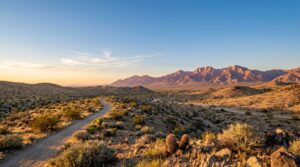
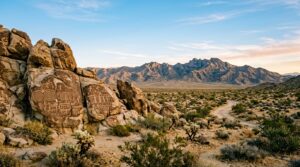
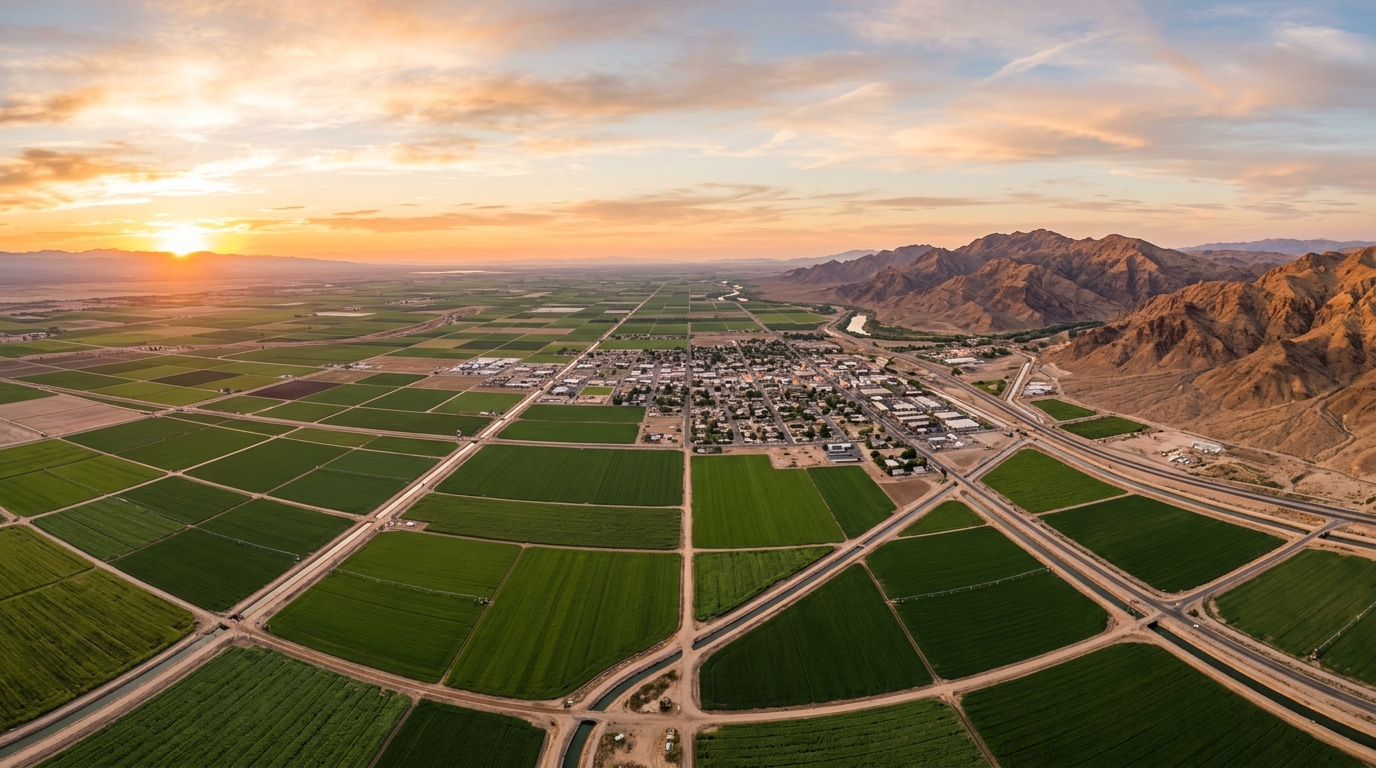
Imperial County occupies California’s southeastern corner, bordered by Mexico to the south, Arizona to the east, and the Salton Sea to the north. Established in 1907 after being carved out of San Diego County, it covers roughly 4,200 square miles of desert, farmland, dunes, and mountains, and is home to about 180,000 residents according to U.S. Census Bureau figures.
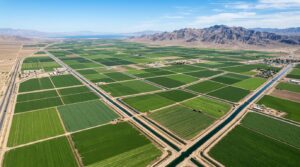
What surprises most first-time visitors is how compact the populated part of the county actually is. Despite the vast acreage, all seven incorporated cities sit within about a 40-mile radius of one another, clustered around the irrigated farmland of the Imperial Valley. You can drive between any two of them in under an hour. Much of this area also sits below sea level — a quirk of geography that shapes everything from the climate to the agriculture to a few local bragging rights.
This guide introduces each of the seven cities in turn, then covers the unincorporated communities that fill in the map between them.
The Seven Incorporated Cities of Imperial County
Each city here has its own economy, history, and personality. Here’s how they break down.
El Centro — County Seat and Commercial Hub
With roughly 44,000 residents, El Centro is the county’s largest city and its administrative seat. It sits at the junction of Interstate 8 and Highway 86, which makes it the natural base for anyone passing through. It’s also frequently cited as the largest city in the Western Hemisphere located below sea level, at about 42 feet under.
Practically speaking, El Centro is where you’ll find the county’s main hospital, the largest concentration of hotels and chain restaurants, and the regional shopping. If you’re planning a multi-day trip, this is the logical place to sleep. Browse our El Centro guides for a closer look.
Calexico — Life on the Border
Calexico sits directly on the international line, and its name says it plainly — a blend of California and Mexico. Across the fence is Mexicali, the capital of Baja California and a city of roughly a million people. The relationship between the two is genuinely binational; tens of thousands of people cross daily for work, school, shopping, and family.
Home to about 38,000 residents, Calexico has two ports of entry: the downtown crossing and the newer Calexico East facility. The food scene reflects the border in ways you won’t find elsewhere in California, and the downtown retail district exists largely to serve shoppers from the Mexican side.
Brawley — Cattle, Agriculture, and the Cattle Call
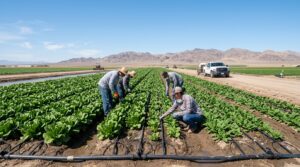
Roughly 26,000 people live in Brawley, the commercial anchor of the north valley. It’s a genuine agricultural town — cattle feedlots, produce packing, and hay all run through here — and its identity is tightly bound to that heritage.
The signature event is the Cattle Call Rodeo, a tradition running since the 1950s that fills a full week each November with a parade, mariachi concerts, a carnival, and the rodeo itself. The City of Brawley publishes current details each year.
Imperial — The Valley’s Fastest-Growing City
Positioned between El Centro and Brawley, the City of Imperial has quietly become the county’s growth story. With roughly 21,000 residents, it has added newer housing developments and retail at a pace the rest of the valley hasn’t matched, drawing families who want newer construction while staying close to El Centro’s jobs and services.
Imperial is also home to the county airport and sits near Imperial Valley College, the region’s community college. For visitors it’s less a destination than a useful piece of the map — but for anyone studying where the valley is headed, it’s the one to watch.
Holtville — Carrot Capital of the World
Eight miles east of El Centro sits Holtville, a town of about 6,500 that has claimed the title Carrot Capital of the World for generations. The claim isn’t marketing fluff — the surrounding fields supply a serious share of America’s winter carrots.
The town celebrates this every winter with the Carrot Festival, which reached its 79th edition in 2026 and brings a parade, carnival midway, street fair, and a carrot cooking contest to the small downtown. The Holtville Chamber of Commerce maintains the event calendar.
Calipatria — The Lowest City in the Hemisphere
Calipatria’s headline fact is hard to top: at roughly 180 feet below sea level, it is the lowest-elevation city in the Western Hemisphere. The town leaned into it by raising a flagpole tall enough that the flag flies at exactly sea level.
Beyond the trivia, Calipatria’s location matters. It sits near the southern Salton Sea, the geothermal fields, and the wildlife refuge — which places it at the center of the region’s emerging lithium and renewable energy conversation. Its population of roughly 7,700 includes a state prison.
Westmorland — Small Town, Deep Roots
The smallest of the seven with around 2,300 residents, Westmorland sits at the county’s northern edge on the way toward the Salton Sea. It’s a farming town in the most literal sense — surrounded by fields, built around agriculture, and largely unchanged in character for decades.
There’s no tourist infrastructure here, and that’s rather the point. Westmorland offers an unfiltered look at how the valley’s agricultural communities actually live and work.
Beyond the City Limits: Unincorporated Communities
Seven incorporated cities don’t tell the whole story. A significant share of the county’s population lives in unincorporated communities scattered across the valley and the desert beyond it.
Heber and Seeley sit near El Centro and function as small residential communities. Winterhaven anchors the county’s far eastern edge along the Colorado River near Yuma. Ocotillo lies west toward the mountains along Interstate 8. To the north, Niland, Bombay Beach, and Salton City trace the Salton Sea’s shoreline, each carrying its own layered history of boom, decline, and reinvention.
These places have no city council of their own and rarely make the standard travel lists — but they hold much of what makes the county distinctive.
How to Link the Seven Cities in One Trip
The compact geography makes a loop straightforward. Starting from El Centro, head north through Imperial to Brawley on Highway 86, continue to Calipatria and Westmorland on Highway 111, then swing back south and east to Holtville on Highway 115 before finishing at Calexico on the border.
That circuit covers all seven cities in well under a day of driving, and it can be stretched into a weekend by adding the Salton Sea’s southern shore, the sand dunes east of Holtville, or a border crossing at Calexico. Our community guides go deeper on each stop.
Before You Set Out
Two practical notes. First, timing matters enormously here — summer temperatures routinely exceed 110°F, and most visitors come between November and April for good reason. Second, this is a working agricultural region, not a resort economy; hours are shorter and services thinner than you might expect, particularly in the smaller towns.
Always confirm event dates, business hours, and border wait times with the responsible agency or organizer before you travel. For more on the region, browse all our guides.