A Sea Born by Accident, Shrinking by Agreement
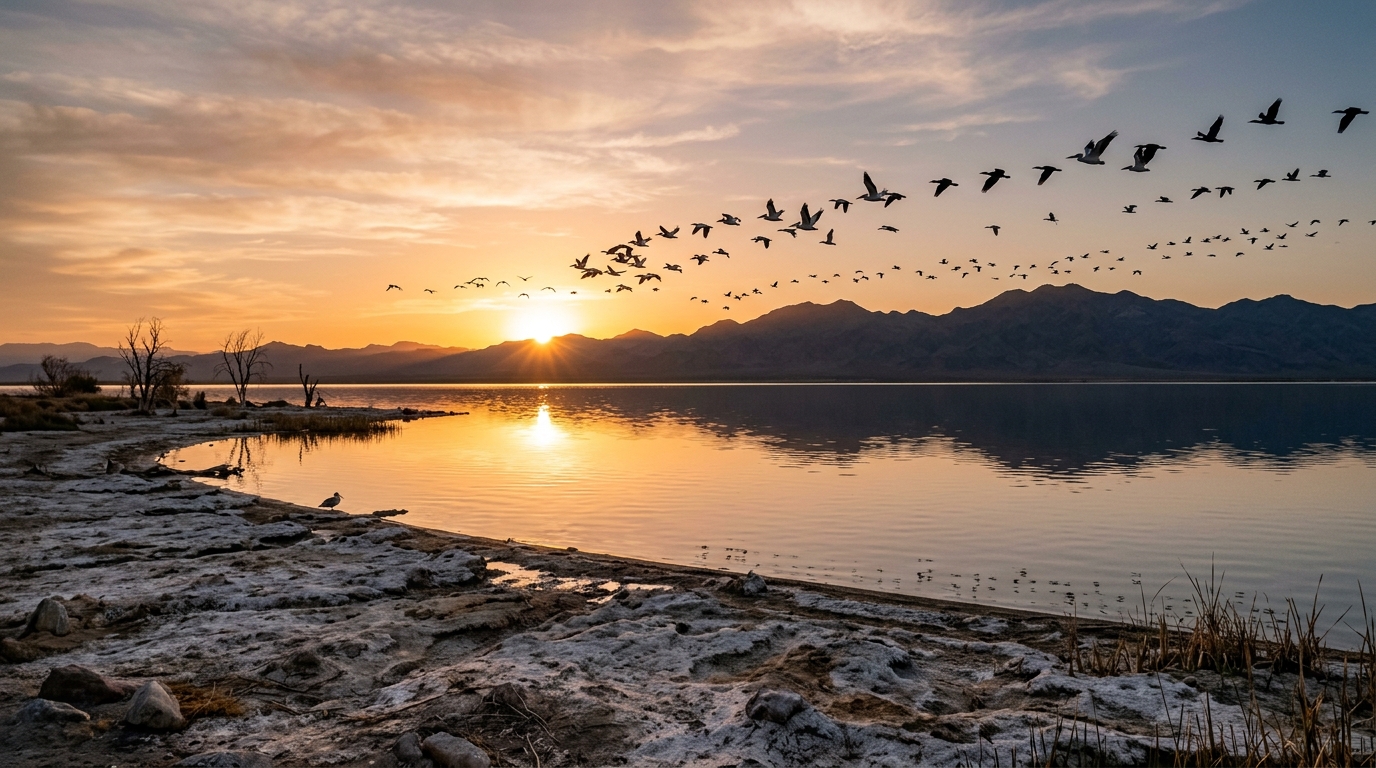
California’s largest inland body of water was not supposed to exist. In 1905, irrigation canals drawing from the Colorado River burst after spring floods, and water poured unchecked into a low desert basin for roughly two years before engineers could stop it. What filled in became the Salton Sea.
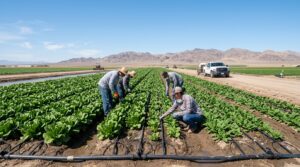
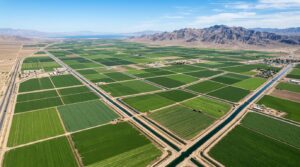
It has no natural outlet. For a century it has been sustained almost entirely by agricultural runoff draining off Imperial Valley farmland, and that inflow is shrinking — the result of water conservation agreements that redirect Colorado River supplies toward coastal cities. As the water recedes, salinity climbs. The sea now measures around 60 parts per thousand, roughly twice as salty as the Pacific Ocean, which has pushed most of its fish populations past the edge of survival.
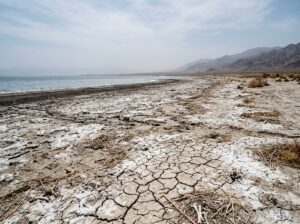
The receding shoreline leaves behind exposed lakebed, or playa, that can release fine dust into a valley already struggling with air quality. That single fact — dust — is what turned the Salton Sea from a regional curiosity into a state priority.
Why 2026 Is a Pivotal Year for the Salton Sea
Three storylines are converging right now, and all of them will shape what this place looks like a decade from now.
Lithium Valley Moves From Concept to Plan
Beneath the southern end of the sea sits geothermal brine containing an extraordinary quantity of lithium. A 2023 Lawrence Berkeley National Laboratory study, conducted with the U.S. Department of Energy, estimated more than 17 million metric tons in the region — among the largest known deposits anywhere.
Senate Bill 125, signed in 2022, set the framework in motion and created a lithium excise tax explicitly intended to fund Salton Sea restoration and benefit affected communities. Imperial County has since drafted the Lithium Valley Specific Plan, covering roughly 51,600 acres along the southeastern shore — stretching from the Wister wildlife area in the north down to the City of Calipatria. The draft environmental review is in active public comment, and the county’s Lithium Valley program publishes documents as they’re released.
The Data Center Pivot
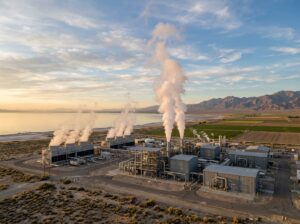
Here’s the twist nobody scripted. Controlled Thermal Resources, one of three firms chasing lithium here, announced plans for a large geothermal energy complex designed to power artificial intelligence infrastructure rather than feed the battery supply chain directly. Berkshire Hathaway Energy’s renewables arm, meanwhile, has signaled a commercialization decision on its lithium project in late 2026.
Whether Lithium Valley becomes a battery hub, an energy hub, or something in between is genuinely unsettled — which is precisely what makes this year worth watching.
Restoration Reaches Real Milestones
The state’s Salton Sea Program is running a ten-year plan targeting roughly 30,000 acres of habitat and dust-suppression work. Its flagship Species Conservation Habitat Project at the southern shore has grown to an envisioned footprint near 9,400 acres of engineered ponds and berms, with the first ponds now filled. California also launched the Salton Sea Conservancy — its first new conservancy in over fifteen years — to steward the completed work. Progress is tracked publicly through the California Salton Sea Program.
Birding at the Southern Shore
For all the industrial headlines, the reason most visitors come is feathers.
What Makes the Refuge Extraordinary
The Sonny Bono Salton Sea National Wildlife Refuge was established in 1930 and renamed in 1998 for the congressman who championed conservation here. Sitting at roughly 227 feet below sea level, it has recorded more than 400 bird species and remains one of the West’s premier destinations for rare and vagrant sightings.
The reason is stark arithmetic. California has lost an estimated 90 to 95 percent of its original wetlands, which makes the Salton Sea a disproportionately critical stopover on the Pacific Flyway. Historically the sea has hosted the overwhelming majority of the western American white pelican population and millions of eared grebes during migration. The refuge maintains managed wetlands, cattail marshes, and farm fields specifically to keep that habitat viable.
When to Go
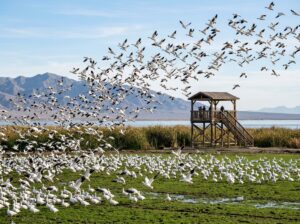
Winter, without question. Staff begin flooding the ponds in late August, shorebirds return through the fall, and migration peaks in November when waterfowl arrive in force. From then through early spring, more than 200 species are present, including large, loud flocks of snow geese and sandhill cranes.
The visitor center typically operates November through April, and trails run sunrise to sunset year-round. There are no entry fees. The refuge’s visitor information page lists current hours, trails, and observation tower access.
Planning a Responsible Visit
Getting There
The refuge headquarters sits west of Highway 111, about four miles south of Niland via Sinclair Road. Calipatria is the closest city, and Brawley — roughly twenty minutes south — is the nearest practical base with lodging and restaurants. Our community guides cover both. Visitors wanting a larger selection of hotels and services often stay further south; see our El Centro guides for that option.
Note that the refuge is split into two management units roughly eighteen miles apart, so decide which you’re visiting before you set out. Rock Hill, the small volcanic outcrop beside the visitor center, offers the best accessible overlook.
Heat, Dust, and Common Sense
From May through October, daily highs regularly exceed 100°F, and readings between 116°F and 120°F are recorded most years. This is not a summer destination for casual visitors — carry far more water than you think you need, and treat midday heat as a genuine hazard rather than an inconvenience.
Air quality is the other consideration. Playa dust can be significant on windy days, and anyone with respiratory sensitivity should check conditions before visiting. Stay on designated trails, both for your safety and because the shoreline is under active study for heavy metal contamination.
Holding Two Truths at Once
The Salton Sea resists a tidy narrative. It is simultaneously an ecological emergency and one of North America’s great birding sites; an environmental justice flashpoint and a potential engine of the clean energy transition; a place people photograph for its decay and a place tens of thousands of birds depend on to survive their migration.
Visiting with that complexity in mind makes for a far richer trip than treating it as a ruin-porn photo stop. Confirm conditions, hours, and access with the responsible agency before you travel — and browse all our guides for more of the region.