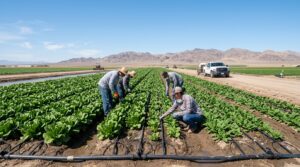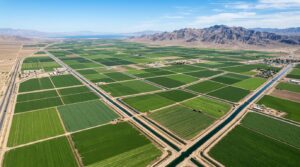
When Americans sit down to dinner during winter months, there’s a remarkable chance that the fresh vegetables on their plates originated in the Imperial Valley. This remarkable desert region produces approximately two-thirds of the nation’s winter vegetables — including lettuce, broccoli, cabbage, carrots, and countless other crops that sustain American diets from November through April. Beyond the statistics and agricultural output, the Imperial Valley’s farm-to-table movement represents a profound connection between land, labor, and community. Understanding this agricultural heritage enriches any visit to Imperial County and reveals the deep relationship between farming traditions and local culinary culture.
The Agricultural Foundation of Imperial Valley
The Imperial Valley’s agricultural dominance didn’t emerge by accident. Rather, it represents the convergence of geography, water management innovation, and generations of farming expertise. Understanding this foundation provides context for appreciating the region’s contemporary food culture and farm-to-table initiatives.
Desert Transformation Through Irrigation
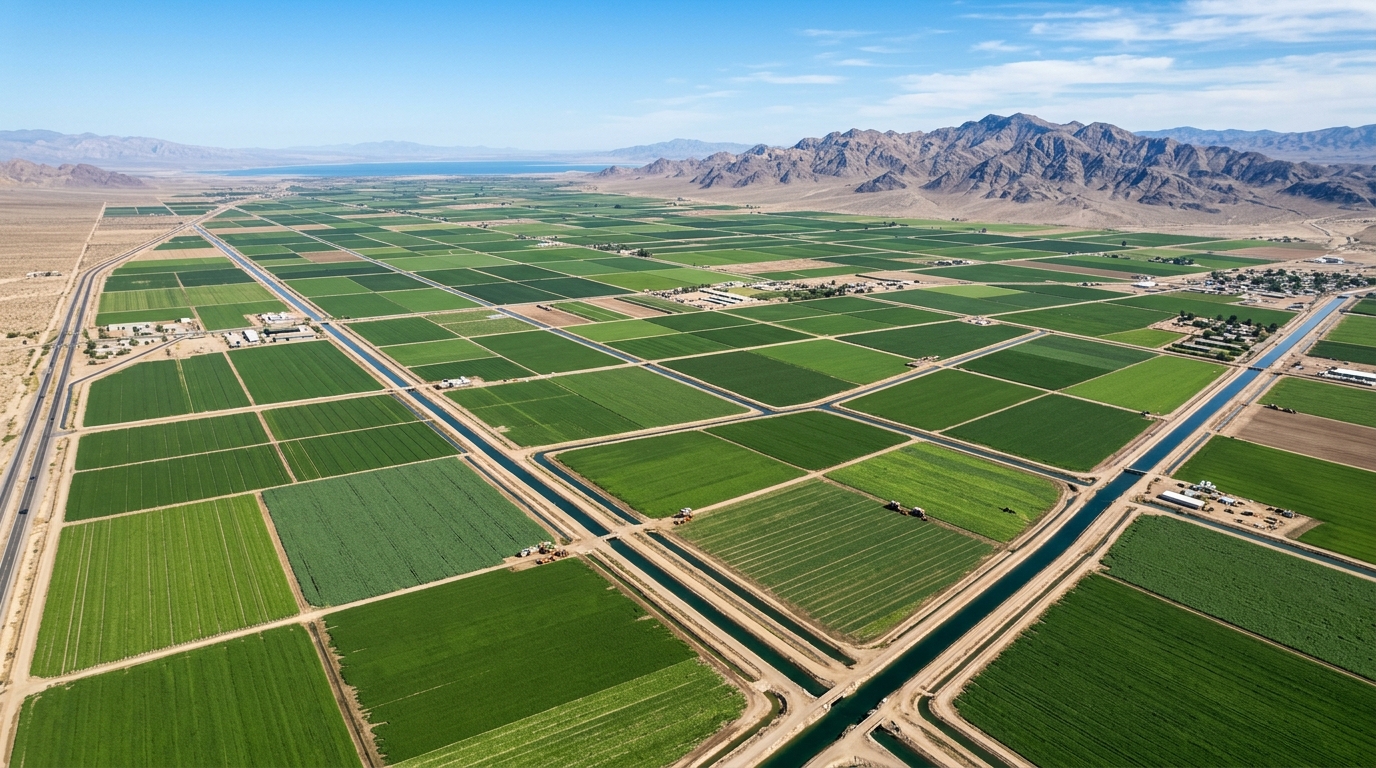
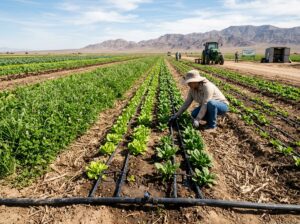
In the early 20th century, irrigation canals transformed the Imperial Valley from arid desert into one of North America’s most productive agricultural regions. The Colorado River provided water that made cultivation possible, while the desert’s year-round sunshine and mild winters created ideal conditions for winter vegetable production. Farmers discovered that crops grown in the Imperial Valley during winter months could reach markets across North America when production in other regions had ceased.
This seasonal advantage created a unique economic niche. While California’s Central Valley and other agricultural regions experience winter dormancy, the Imperial Valley thrives. The region’s agricultural infrastructure — including water management systems, packing facilities, transportation networks, and market relationships — developed specifically to capitalize on this seasonal opportunity.
Crop Diversity and Economic Impact
Modern Imperial County agriculture encompasses over 65 different crops, demonstrating remarkable agricultural diversity. According to the Imperial County government’s National Agriculture Day celebration, the region’s top commodities in 2024 included cattle at $546 million, alfalfa at $238 million, and broccoli at $134 million. Vegetable crops alone comprise 22 percent of total cropland but generate over 58 percent of total crop returns, generating more than $500 million annually.
This economic output supports thousands of jobs and sustains entire communities. Farmers, laborers, equipment operators, packing plant workers, transportation specialists, and countless others depend on the agricultural sector. The region’s food processing, distribution, and retail businesses all connect to this agricultural foundation.
Farm-to-Table Movement in Imperial County
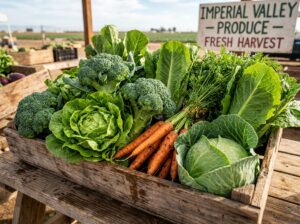
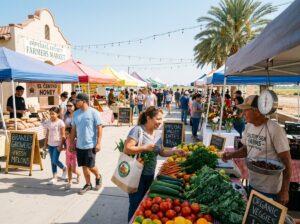
The farm-to-table movement — emphasizing locally sourced, seasonally appropriate ingredients — has gained momentum across the United States. In the Imperial Valley, this movement isn’t a trendy concept but rather a reflection of agricultural reality. Local restaurants, markets, and food events celebrate the direct connection between regional farms and community dining.
Local Restaurants and Culinary Traditions
Imperial County’s diverse communities have developed rich culinary traditions that reflect cultural heritage, agricultural abundance, and border influences. El Centro, as the county seat, hosts restaurants ranging from casual family establishments to more upscale dining venues. Many local restaurants prioritize fresh, locally sourced ingredients, partnering directly with farmers to obtain produce at peak freshness.
Calexico’s position on the international border creates unique culinary fusion opportunities. Mexican culinary traditions blend with American ingredients and techniques, creating distinctive regional cuisine. The city’s restaurants often feature vegetables grown in nearby fields, prepared using recipes passed down through generations. This authentic border cuisine represents a genuine expression of regional food culture rather than commercialized interpretations.
Brawley, another major agricultural hub, maintains strong connections to farming communities. Local establishments often feature seasonal menus that shift based on harvest cycles. This approach ensures that diners experience vegetables at peak flavor and nutritional value while supporting local farmers through direct purchasing relationships.
Community Food Events and Celebrations
Throughout the year, Imperial County hosts food-focused events that celebrate agricultural heritage and community culture. The Imperial Signature Event Series includes food components in its October, December, February, and March celebrations. These events feature local cuisine, regional traditions, and opportunities for community members to gather around shared meals.
The Munchies food events, held every Friday from 7 to 11 p.m. at the Fairgrounds, create casual gathering spaces where residents and visitors can sample local food vendors’ offerings. These events celebrate culinary diversity while supporting small food businesses and farmers who supply ingredients.
Sustainable Agriculture and Future Challenges
As the Imperial Valley looks toward the future, farmers face significant challenges related to water availability, climate change, and sustainable resource management. The region’s agricultural success depends on continued access to Colorado River water, a resource increasingly strained by drought and competing demands across the western United States.
Climate-Smart Farming Practices
Forward-thinking farmers are adopting innovative practices to reduce water consumption while maintaining productivity. The UC Cooperative Extension’s Climate-Smart Agriculture program supports management practices that build soil carbon, reduce greenhouse gas emissions, improve water-use efficiency, and promote biodiversity. These approaches recognize that agricultural sustainability requires balancing productivity with environmental stewardship.
Soil health initiatives focus on building organic matter and microbial communities that improve water retention and nutrient cycling. Conservation practices like cover cropping and reduced tillage protect soil structure while reducing erosion. Water-efficient irrigation technologies, including drip systems and precision application methods, deliver water directly to plant roots, minimizing waste.
The Future of Desert Agriculture
Questions about the long-term viability of desert agriculture in an era of climate change and water scarcity deserve serious consideration. As explored in recent agricultural journalism, the sustainability of farming in the desert depends on continued innovation, policy support, and commitment to stewardship. The Imperial Valley’s farmers are demonstrating that desert agriculture can adapt and evolve while maintaining productivity and environmental responsibility.
Connecting with Imperial Valley’s Food Culture
Visitors to Imperial County can engage directly with the region’s agricultural heritage and food culture. Exploring the seven cities and communities provides opportunities to discover local restaurants, farmers markets, and food events. Each community offers distinct culinary experiences reflecting local traditions and agricultural specialties.
When dining in Imperial County, ask restaurant staff about ingredient sources. Many establishments take pride in their relationships with local farmers and are eager to share stories about the origins of the food you’re eating. Visiting farmers markets, if available, allows direct interaction with growers and firsthand appreciation for the quality and diversity of regional produce.
From Desert Soil to Your Dinner Table
The Imperial Valley’s agricultural success represents a remarkable achievement of human ingenuity, environmental adaptation, and community commitment. The vegetables that nourish millions of Americans during winter months begin as seeds planted in desert soil, tended by skilled farmers, and harvested at peak ripeness. The farm-to-table movement in Imperial County isn’t a marketing concept but rather a lived reality reflecting the direct connection between land and community.
Understanding this agricultural foundation enriches your appreciation of Imperial County’s landscape, culture, and people. The next time you enjoy fresh winter vegetables, consider their possible origin in the Imperial Valley. The farmers, laborers, and food professionals who make this agricultural miracle possible deserve recognition and support. By engaging with local food culture, visiting farmers markets, and dining at restaurants committed to local sourcing, you contribute to the sustainability and vitality of Imperial Valley agriculture for generations to come.