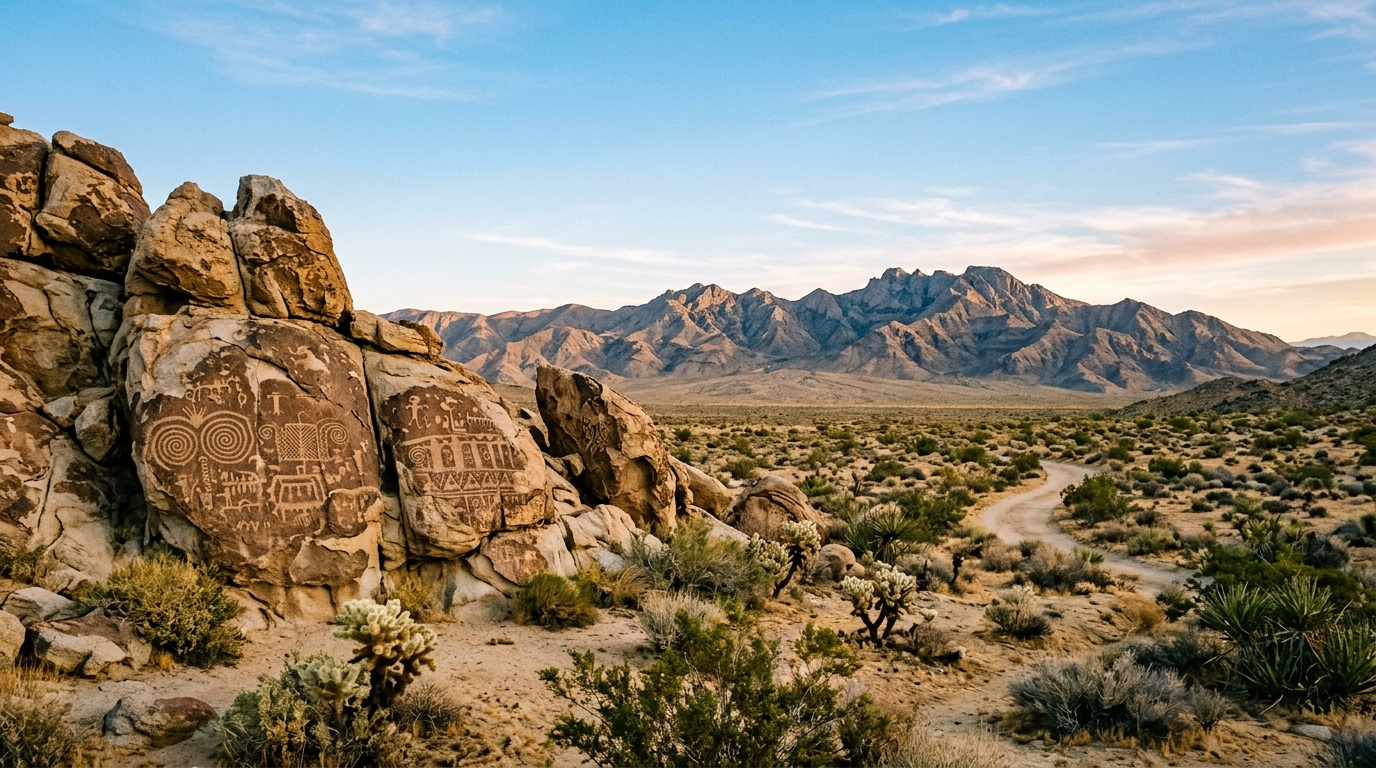
Long before irrigation canals transformed the Imperial Valley into an agricultural powerhouse, the lands of Imperial County belonged to Indigenous peoples whose cultures, traditions, and spiritual practices were deeply rooted in this desert landscape. The Kumeyaay, Cahuilla, Quechan, Cocopah, and Pai Pai nations inhabited these territories for thousands of years, developing sophisticated systems for survival in one of North America’s most challenging environments. Today, their descendants continue to preserve and celebrate this rich heritage while working to protect ancestral lands and ensure that future generations understand the profound history of Imperial County.
The Indigenous Peoples of Imperial County
The lands encompassing Imperial County and surrounding regions represent the traditional territories of multiple Indigenous nations, each with distinct cultures, languages, and governance systems. Understanding these distinct peoples is essential to appreciating the full complexity and richness of Imperial County’s history.
The Kumeyaay Nation
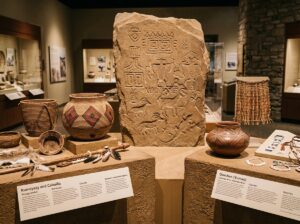
The Kumeyaay people have inhabited the lands of Imperial and San Diego counties for millennia, developing a profound connection to the desert and coastal environments. Their name, which translates to “those who come from the earth,” reflects their deep spiritual relationship with the land. The Kumeyaay developed sophisticated knowledge systems for managing water resources, cultivating native plants, and hunting game in ways that sustained their communities for thousands of years.
Kumeyaay society was organized into independent bands, each led by a chief and connected to specific territories. These bands maintained trade networks that extended across vast distances, facilitating the exchange of goods, knowledge, and cultural practices. The Kumeyaay’s understanding of desert ecology and water management would later prove invaluable as Spanish colonizers and American settlers attempted to develop the region.
The Cahuilla, Quechan, Cocopah, and Pai Pai
Beyond the Kumeyaay, the Cahuilla people inhabited portions of Imperial County and the broader Inland Empire region. The Quechan nation, also known as the Fort Yuma Quechan, maintained territories along the Colorado River and adjacent desert areas. The Cocopah and Pai Pai peoples also held ancestral connections to Imperial County lands, each contributing unique cultural traditions and knowledge systems to the region’s Indigenous heritage.
These nations maintained distinct languages, governance structures, and cultural practices while engaging in trade and diplomatic relationships with neighboring peoples. Their collective presence created a rich tapestry of cultures that thrived in the desert for thousands of years before European contact.
Colonial Impact and Historical Disruption
The arrival of Spanish colonizers in the 18th century marked a dramatic turning point in Imperial County’s Indigenous history. Missions, military outposts, and eventually American settlement fundamentally disrupted Indigenous lifeways and territorial control. Understanding this historical context is essential for comprehending contemporary preservation efforts and the ongoing resilience of Indigenous communities.
Spanish Colonization and Mission System
Spanish missionaries established a system of missions throughout California designed to convert Indigenous peoples to Christianity and incorporate them into Spanish colonial society. This system disrupted traditional governance, spiritual practices, and land management systems that had sustained Indigenous communities for generations. Many Indigenous people were forced into labor systems that exploited their knowledge and strength while denying them autonomy and cultural expression.
American Settlement and Land Dispossession
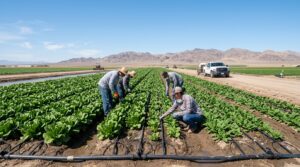
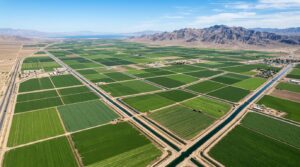
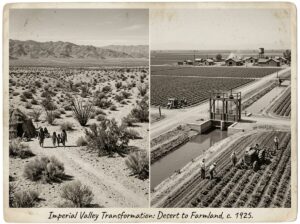
Following American annexation of California, Indigenous peoples faced systematic dispossession of their lands. The development of irrigation systems, agricultural expansion, and urban growth in the Imperial Valley fundamentally transformed the landscape and displaced Indigenous communities from their ancestral territories. Many Indigenous people were relegated to small reservations or forced to assimilate into broader American society, losing access to traditional lands and cultural practices.
Modern Preservation and Cultural Initiatives
Despite centuries of disruption and displacement, Indigenous communities in Imperial County continue to preserve their heritage and work toward greater recognition and protection of their ancestral lands. Contemporary preservation efforts represent a powerful commitment to cultural continuity and justice.
The Imperial Valley Desert Museum
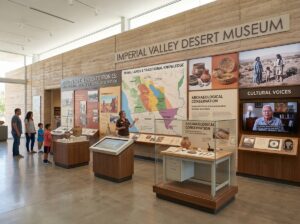
The Imperial Valley Desert Museum serves as a crucial institution for preserving and interpreting Indigenous heritage. The museum’s educational programs, including the Kumeyaay Nation: Stories of Change initiative, provide platforms for Indigenous voices and perspectives. These programs help both Indigenous community members and broader audiences understand the complexity of Imperial County’s history and the ongoing significance of Indigenous cultures.
The museum’s approach emphasizes collaboration with Indigenous communities, ensuring that interpretations of history reflect Indigenous perspectives rather than solely external viewpoints. This collaborative model represents best practices in cultural preservation and community engagement.
The Kw’tsán National Monument Initiative
One of the most significant contemporary preservation efforts is the proposed Kw’tsán National Monument, which seeks to protect ancestral lands and recognize Indigenous sovereignty. As explained in the Desert Report’s coverage of ancestral lands preservation, this initiative represents a reclamation of Indigenous identity and a commitment to protecting cultural heritage, traditions, and language.
The Kw’tsán National Monument would establish federal protection for lands of profound cultural and spiritual significance to Indigenous nations. This designation would prevent development and resource extraction while creating opportunities for Indigenous-led management and interpretation of the landscape. The initiative demonstrates how contemporary Indigenous communities are asserting their rights and working toward greater control over their ancestral territories.
National Register of Historic Places
Imperial County contains 12 properties and districts listed on the National Register of Historic Places, including sites of Indigenous cultural significance. These designations provide legal protection and recognition for places that hold historical and cultural importance. The National Historic Landmark status granted to certain sites acknowledges their broader significance to American history and culture.
Visiting and Learning About Indigenous Heritage
For visitors interested in learning about Imperial County’s Indigenous heritage, several resources and locations provide opportunities for education and cultural engagement. El Centro, as the county seat, hosts cultural institutions and community organizations dedicated to preserving Indigenous history. The Imperial County Historical Society and Pioneers’ Museum in Imperial also maintain collections and exhibits related to Indigenous heritage and early settlement history.
When visiting these institutions, approach with respect and genuine curiosity. Many Indigenous communities welcome visitors who demonstrate sincere interest in learning their histories and cultures. Supporting Indigenous-led museums, cultural centers, and educational initiatives ensures that resources flow directly to communities working to preserve their heritage.
The Ongoing Journey of Cultural Preservation
The Indigenous peoples of Imperial County have demonstrated remarkable resilience and determination in preserving their cultures despite centuries of disruption and displacement. Their ongoing efforts to protect ancestral lands, revitalize languages, and share their histories represent powerful acts of cultural continuity and resistance.
Understanding Imperial County’s Indigenous heritage enriches our appreciation of the region’s history and landscape. The desert that now produces much of America’s winter vegetables was first cultivated and managed by Indigenous peoples whose sophisticated ecological knowledge sustained thriving communities for thousands of years. Recognizing this history honors the Indigenous peoples whose contributions shaped Imperial County and acknowledges the ongoing significance of their cultures in the region’s present and future.
As you explore Imperial County, take time to reflect on the Indigenous peoples whose ancestral lands you are visiting. Support preservation efforts, visit cultural institutions, and engage respectfully with Indigenous communities. By doing so, you contribute to the vital work of ensuring that Imperial County’s Indigenous heritage remains visible, valued, and protected for generations to come.