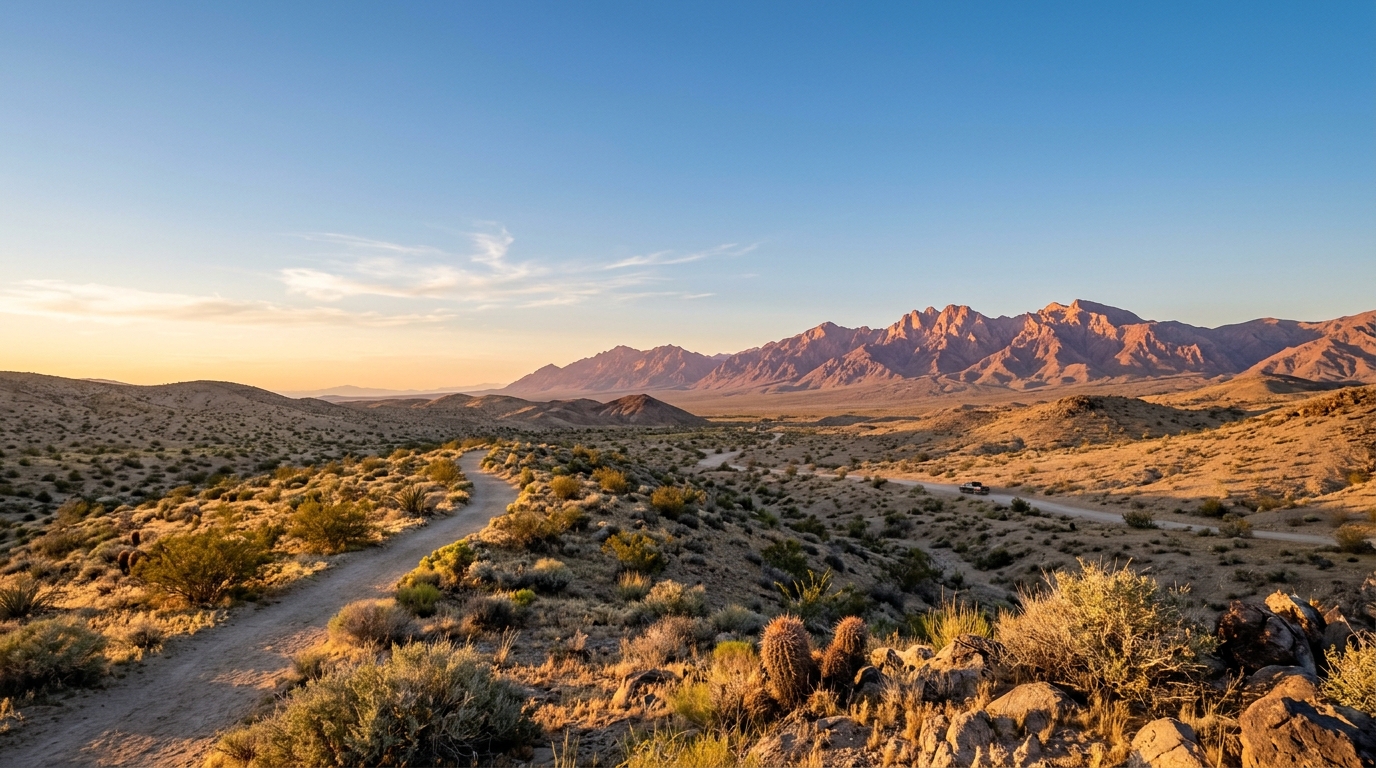
Imperial County’s desert climate creates dramatic seasonal variations that significantly impact visitor experience and activity options. The region experiences scorching summers with temperatures regularly exceeding 100 degrees Fahrenheit, contrasted with mild, pleasant winters ranging from 60 to 75 degrees. Understanding these seasonal patterns allows travelers to plan trips that align with their comfort preferences, desired activities, and the region’s cultural calendar. Whether you’re seeking outdoor adventure, cultural exploration, or culinary experiences, timing your visit strategically ensures you experience Imperial County at its best.
Understanding Imperial County’s Seasonal Climate
The Imperial Valley’s location in southeastern California’s desert creates a distinctive climate pattern that shapes visitor experiences throughout the year. Recognizing these patterns helps travelers prepare appropriately and choose optimal visiting windows.
Summer Heat and Challenges
June through August brings extreme heat to Imperial County, with daytime temperatures frequently exceeding 100 degrees Fahrenheit and occasionally reaching 115 degrees or higher. Nighttime temperatures remain warm, rarely dropping below 75 degrees. This intense heat makes outdoor activities uncomfortable and potentially dangerous for unprepared visitors. Heat-related illness becomes a serious concern, and many recreational facilities reduce hours or close during peak summer months.
Additionally, summer is the least popular season for tourism, as most visitors understandably avoid the extreme conditions. However, summer does offer advantages for budget-conscious travelers, as accommodations and attractions often offer reduced rates during the off-season. If you choose to visit during summer, plan activities for early morning or late evening, stay hydrated, and seek air-conditioned indoor attractions.
Fall and Spring Transition Seasons
September through November and March through May represent transition seasons with moderate temperatures and variable conditions. Fall (September-November) typically features more stable weather patterns than spring, with gradually cooling temperatures and generally clear skies. October and November are particularly pleasant, offering warm days and cool nights without the extreme heat of summer or the occasional rainfall of spring.
Spring (March-May) brings warming temperatures and occasional rainfall, particularly in April and May. While spring can be beautiful with desert wildflowers blooming, weather unpredictability requires flexible planning. Some visitors prefer spring’s lower temperatures to fall’s conditions, while others find fall’s stability more appealing.
Winter Comfort and Popularity
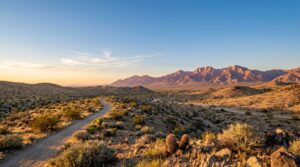
December through February represents peak season for Imperial County tourism. Daytime temperatures range from 65 to 75 degrees Fahrenheit — ideal for outdoor activities and comfortable exploration. Nighttime temperatures cool to 45 to 55 degrees, making evening activities pleasant with appropriate clothing. Winter rarely brings rain, and sunny days are the norm. These comfortable conditions make winter the most popular season, particularly among visitors from colder climates seeking warm-weather escapes.

Seasonal Events and Activities
Imperial County’s cultural calendar features events distributed throughout the year, with particular concentration during the comfortable fall and winter months. Planning your visit around these events can enhance your experience and connect you with local culture.
Fall and Winter Events
October marks the beginning of peak season with numerous events and activities. The Camp RZR 2026 event takes place October 30-31 at the Imperial Sand Dunes, drawing thousands of off-road enthusiasts. This major event creates vibrant energy in the region and offers opportunities to witness world-class off-road recreation.
The Imperial Signature Event Series hosts celebrations in October, December, February, and March, featuring food, culture, art, and community gatherings. These events provide excellent opportunities to experience local traditions and meet community members. December brings holiday celebrations and festivities, while February and March feature agricultural celebrations and cultural events.
Spring and Summer Considerations
While spring and summer see fewer major events, these seasons offer unique opportunities for visitors seeking quieter experiences. Spring wildflower blooms create scenic opportunities for photography and nature appreciation. Summer, despite its heat, features reduced crowds and lower prices. Some cultural institutions maintain full programming year-round, providing indoor activities regardless of outdoor conditions.

Creating Your Seasonal Itinerary
Developing a travel plan that aligns with seasonal conditions and personal preferences ensures a satisfying Imperial County experience. Consider these factors when planning your visit.
Winter Itinerary Framework
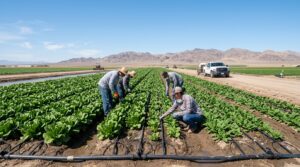
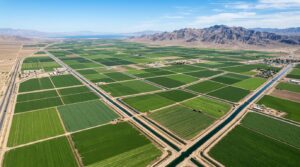
A typical winter visit might begin in El Centro, the county seat, where you can explore downtown attractions, museums, and dining options. From El Centro, day trips to other communities provide diverse experiences. Visit Holtville for agricultural heritage and local character, or explore Westmorland for a quieter desert community experience. The comfortable weather allows extended outdoor activities, including visits to the Imperial Sand Dunes, Salton Sea area, or desert hiking.
Fall Itinerary Framework
Fall visits might emphasize outdoor recreation and seasonal events. October’s pleasant weather and major events like Camp RZR create exciting opportunities. Combine event attendance with exploration of natural areas and cultural sites. The transition from summer to fall means some facilities may have adjusted hours, so verify operating schedules before visiting.
Spring and Summer Considerations
Spring visits should build flexibility into plans, accounting for potential weather changes. Focus on indoor attractions, early morning outdoor activities, and evening exploration. Summer visits require careful planning around heat, with emphasis on air-conditioned attractions, water-based activities, and early morning or late evening outdoor exploration.
Practical Preparation for Your Visit
Regardless of when you visit, proper preparation ensures comfort and safety. Seasonal conditions demand different preparations and considerations.
Winter Preparation
Winter visitors should pack layers, as daytime warmth contrasts with cool evenings. Sunscreen remains essential despite moderate temperatures, as desert sun reflects intensely off sand and light-colored surfaces. Comfortable walking shoes, a hat, and sunglasses protect against sun exposure during daytime exploration.
Summer Preparation
Summer visitors must prioritize heat management. Bring significantly more water than you think necessary — dehydration occurs rapidly in desert heat. Wear light-colored, loose-fitting clothing that covers skin, protecting against sunburn. A wide-brimmed hat and high-SPF sunscreen are non-negotiable. Plan activities for early morning (before 10 a.m.) or late evening (after 5 p.m.), seeking air-conditioned indoor attractions during peak heat hours.
Year-Round Essentials
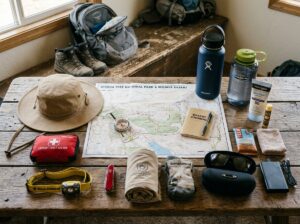
Regardless of season, bring a good map or GPS device, as cell service can be unreliable in remote areas. Carry a first-aid kit and any necessary medications. Inform someone outside the county of your planned activities and expected return time. These precautions ensure safety regardless of when you visit.
Planning Your Perfect Imperial County Visit
Imperial County welcomes visitors year-round, though seasonal conditions dramatically affect the experience. Winter offers ideal weather and peak tourism infrastructure, making it the most accessible season for most travelers. Fall provides pleasant conditions and exciting events, while spring and summer appeal to visitors seeking quieter experiences or specific seasonal phenomena. By understanding seasonal patterns and planning accordingly, you’ll create a memorable Imperial County visit perfectly suited to your preferences and comfort level.